Best Sleep Masks for Side Sleepers
Side sleeping crushes flat masks against your face. Here is how to pick one that blocks light without pressing on your eyes — plus the two designs we recommend.
As an Amazon Associate, Qumfy earns from qualifying purchases. We only receive a commission if you buy — it never changes your price. Prices and availability are shown on Amazon and can change at any time.
If you sleep on your side, most sleep masks fail the same way: the pillow pushes the mask flat against your face, the fabric presses on your eyelids, and the edges lift so light leaks in at the nose. The fix is not a “better” flat mask — it is a different shape.
This guide explains the two mask styles that suit side sleepers, what to check before you buy, and the specific products we shortlisted. We have not run a clinical trial — these are researched recommendations based on published guidance and product specifications, not medical claims.
How we chose
- We started from the failure modes side sleepers report most: eye pressure, straps that dig into the ear pressed against the pillow, and light gaps at the bridge of the nose.
- We prioritized contoured (3D) masks that hold space in front of the eyes, then included one ultra-light flat mask for travelers who prioritize packability over total darkness.
- We only state stable manufacturer specifications (materials, strap type, contour design). We do not quote prices, star ratings or review counts because those change constantly on the retailer’s site.
What to look for
Contoured cups vs flat fabric
Contoured (3D-molded) masks leave a pocket in front of each eye, so nothing touches your eyelids even when your face is pressed into the pillow. Flat masks are lighter and pack smaller but transfer pillow pressure straight to your eyes.
Strap position and thickness
A single thin strap can dig into the ear you sleep on. Look for a flat, wide band that sits above the ear, and adjustability so it is snug without being tight.
Nose-bridge seal
Most light leaks in at the nose. A contoured nose flap or moldable bridge is what actually blocks that gap — more important than how “blackout” the fabric claims to be.
Breathability and washing
You will wear this against your skin nightly, so a removable or washable cover and breathable materials matter for comfort and hygiene.
Our researched picks
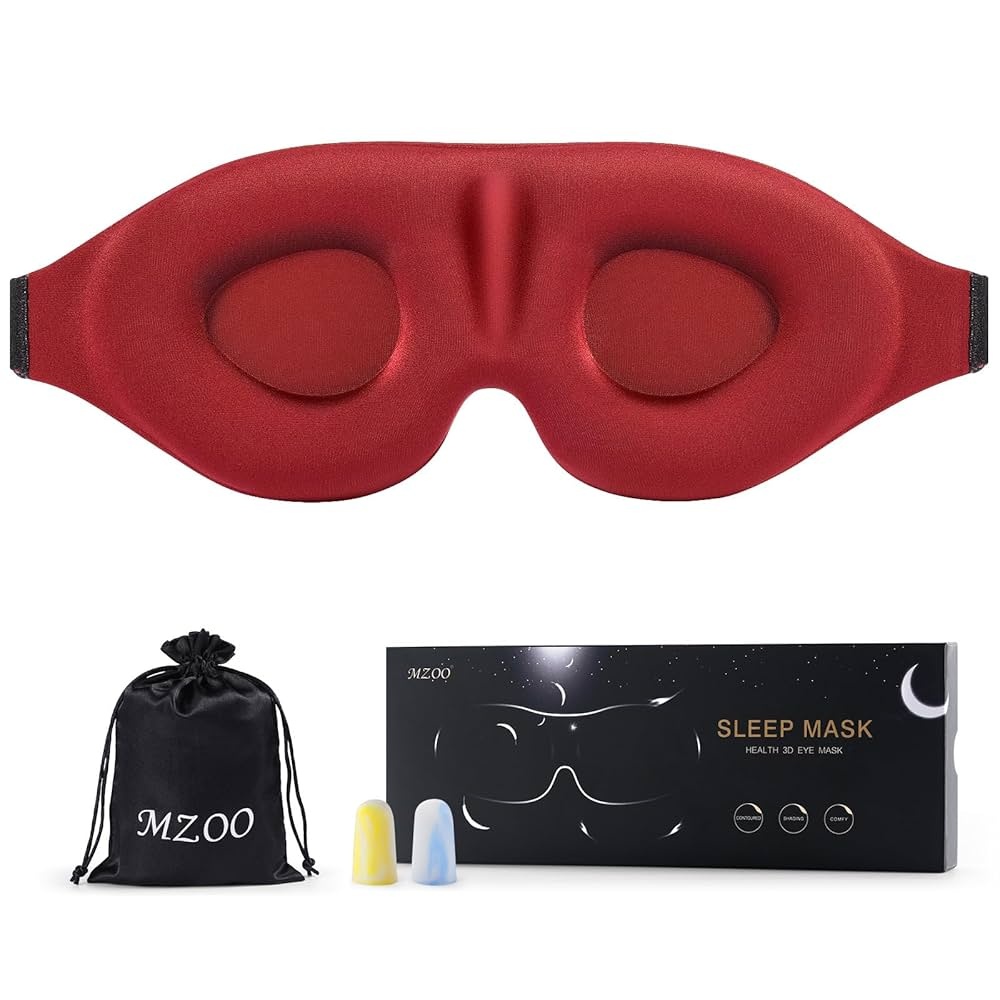
MZOO
MZOO Contoured Sleep Eye Mask
3D-contoured mask that keeps pressure off the eyes.
Why we picked it: The 3D molded cups keep all pressure off the eyes, so it survives being pressed into a pillow. This is the design we recommend first for side sleepers.
- 3D molded eye cups
- Blocks light without eye contact
- Adjustable strap
Paid link — we may earn a commission. Your price is unchanged.
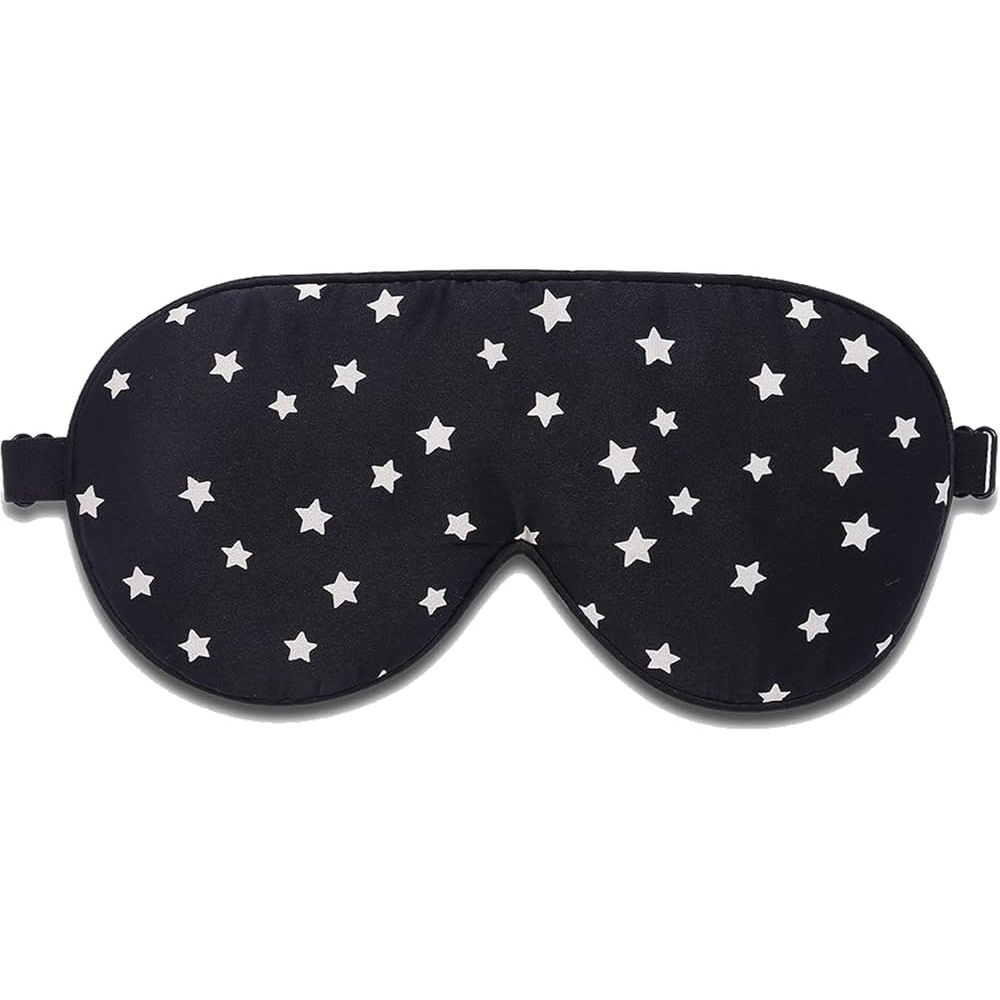
Alaska Bear
Alaska Bear Mulberry Silk Sleep Mask
Lightweight flat silk mask.
Why we picked it: A minimal flat silk mask for travelers who want the lightest, most packable option and can tolerate a little eye contact.
- Mulberry silk shell
- Very lightweight
- Adjustable band
Paid link — we may earn a commission. Your price is unchanged.
Frequently asked questions
Are contoured masks better than blackout curtains?
They solve different problems. A mask travels with you and blocks light regardless of the room; curtains fix the whole room but not a partner’s lamp or a hallway light. Many people use both. See our free Sleep Environment quiz to find your biggest light source.
Will a sleep mask help if my real problem is a snoring partner?
No — a mask blocks light, not sound. If noise is the issue, look at earplugs or a white-noise machine instead.
Sources we consulted
This guide is educational and reflects our own research and editorial judgment. It is not medical advice. Consult a qualified healthcare professional about persistent sleep problems.